
Cards
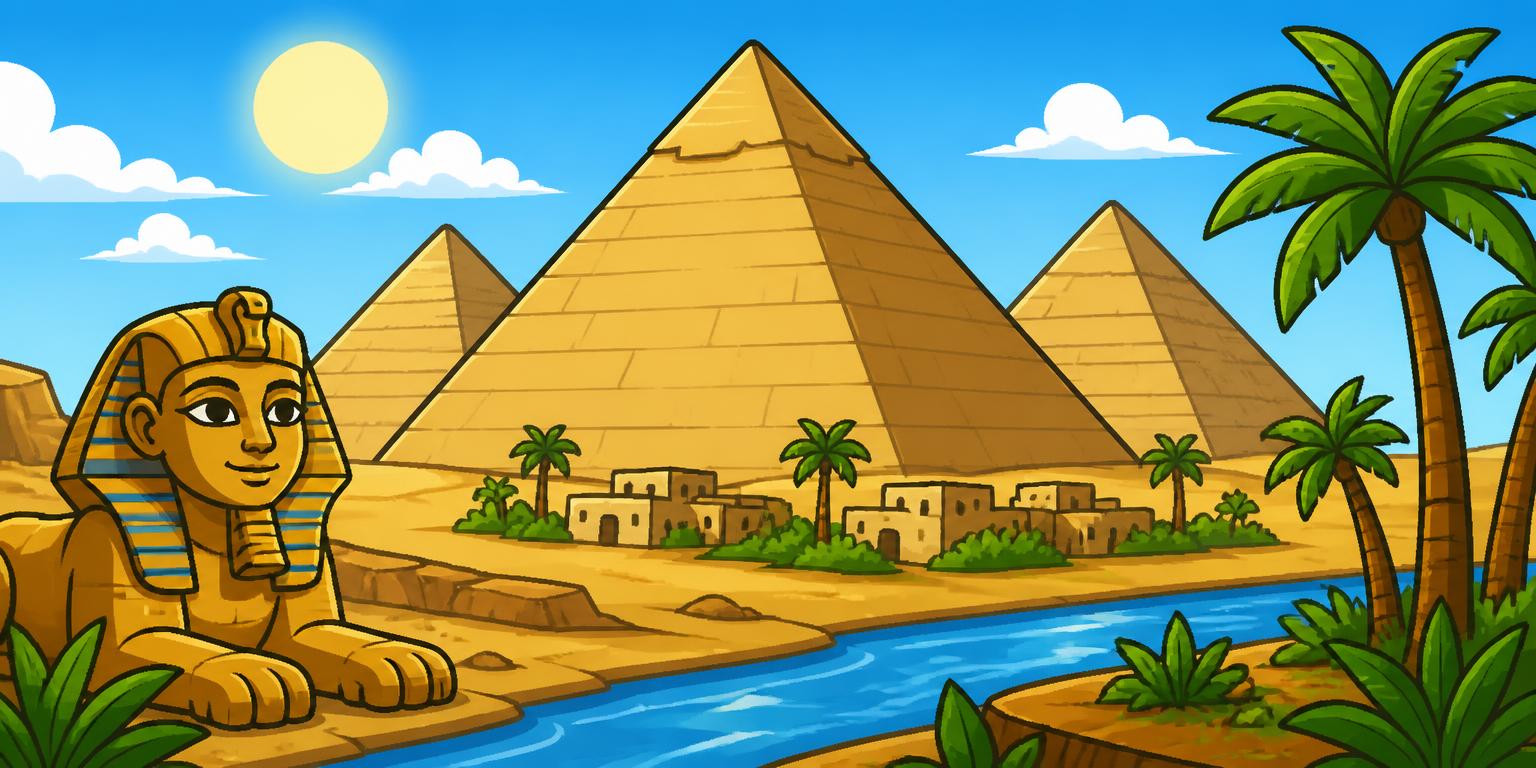
Hidden Facts About Ancient Egyptian Pyramids
- 1 The Giza plateau’s bedrock slant influenced pyramid shapes, helping builders align them precisely with cardinal points.
- 2 The reign of Pharaoh Sneferu marked a turning point with experiments in pyramid design, leading from stepped to smooth-sided pyramids.
- 3 Archaeologists use radar and 3D modeling to reveal internal pyramid chambers and construction techniques without excavation.
netboard.me
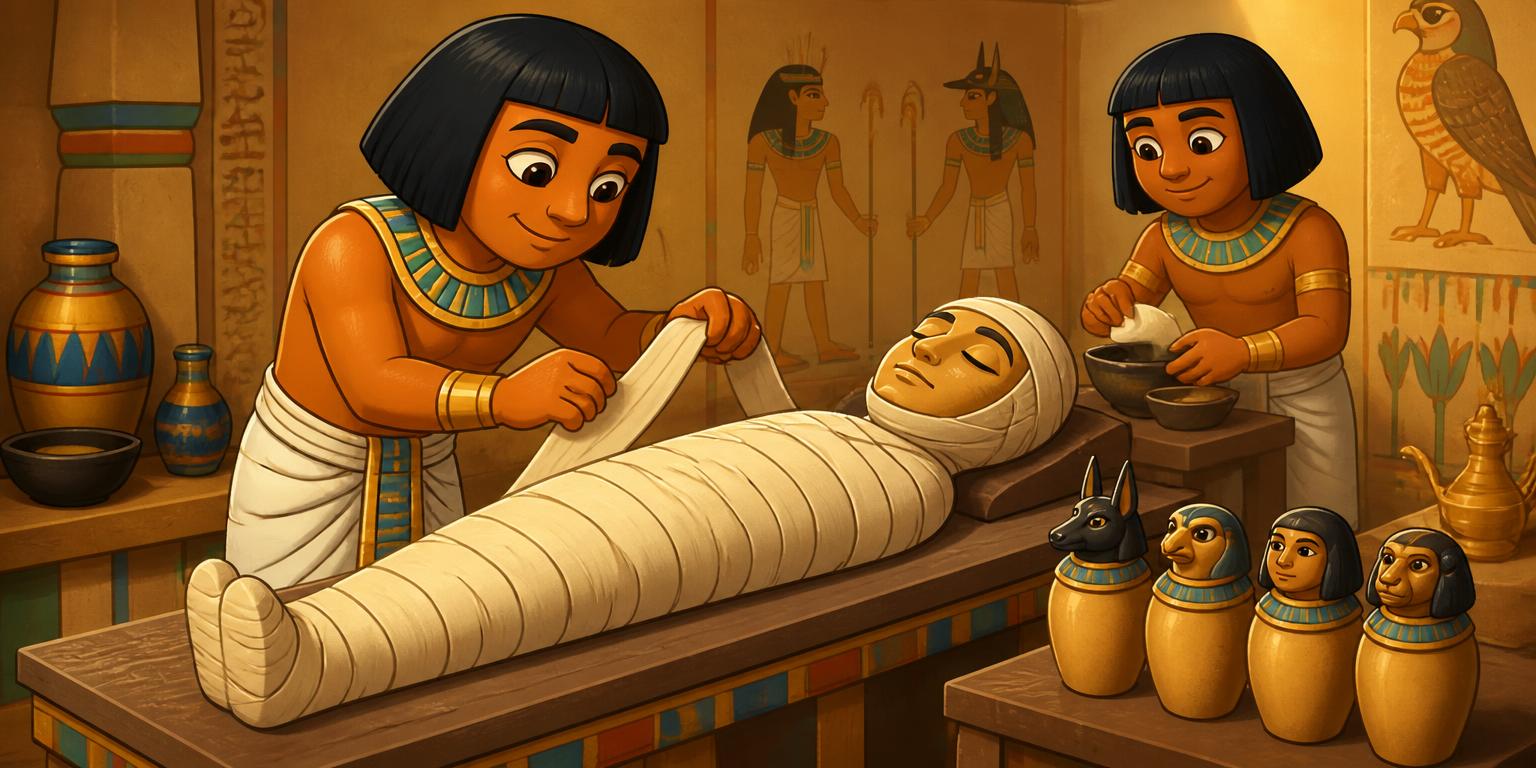
Ancient Egyptian Mummification: Step-by-Step Process
- 1 Remove the internal organs carefully, except the heart, and preserve them separately.
- 2 Dry the body using natron salts to remove moisture and prevent decay.
- 3 Wrap the dried body tightly in linen strips, adding amulets for protection.
- 4 Place the wrapped mummy inside decorated coffins for burial in the tomb.
netboard.me
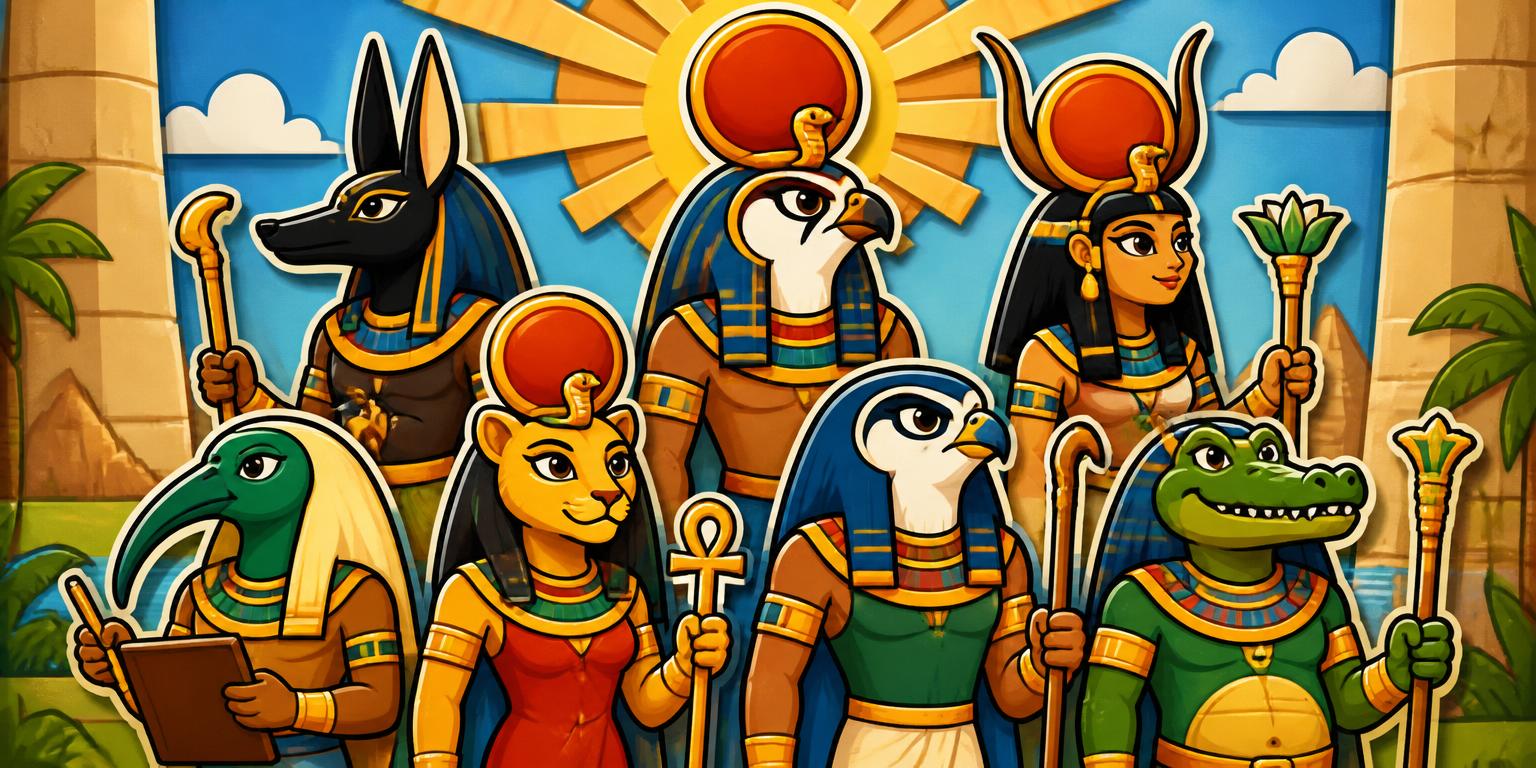
Intriguing Facts about Ancient Egyptian Gods
- 1 The god Ptah was associated with creation through speech, embodying the idea that words bring things into existence.
- 2 Many Egyptian gods were linked to dualities, such as Seth representing chaos and Osiris representing order, balancing each other.
- 3 The goddess Hathor, known for music and joy, was also depicted as a cow, symbolizing nurturing and fertility.
netboard.me
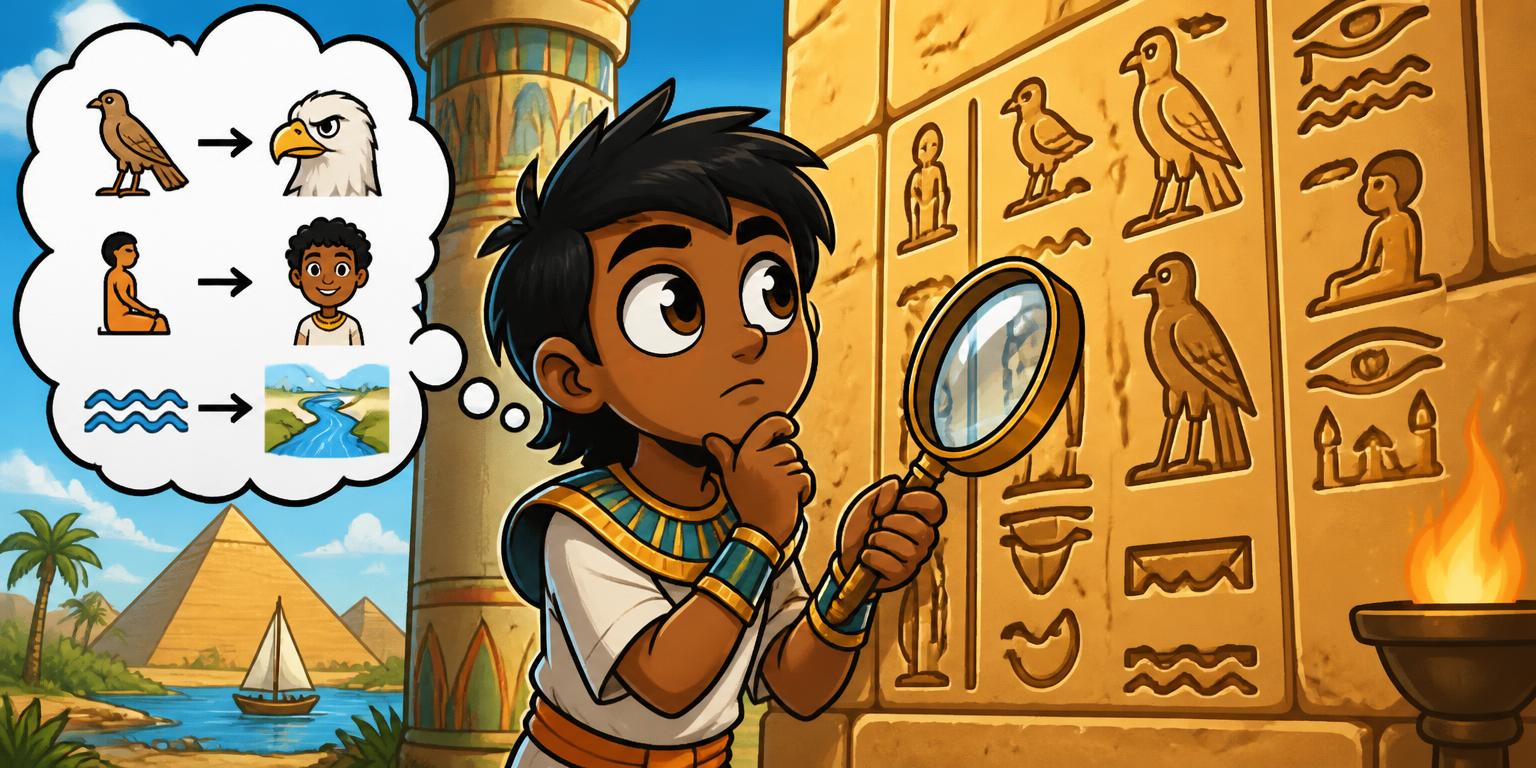
Hieroglyph Origins and Meaning
Question
Did Egyptian hieroglyphs only represent pictures?
Answer
Hieroglyphs combined pictures with sounds and ideas; they were not just pictures but a complex writing system mixing symbols for meaning and pronunciation.
netboard.me
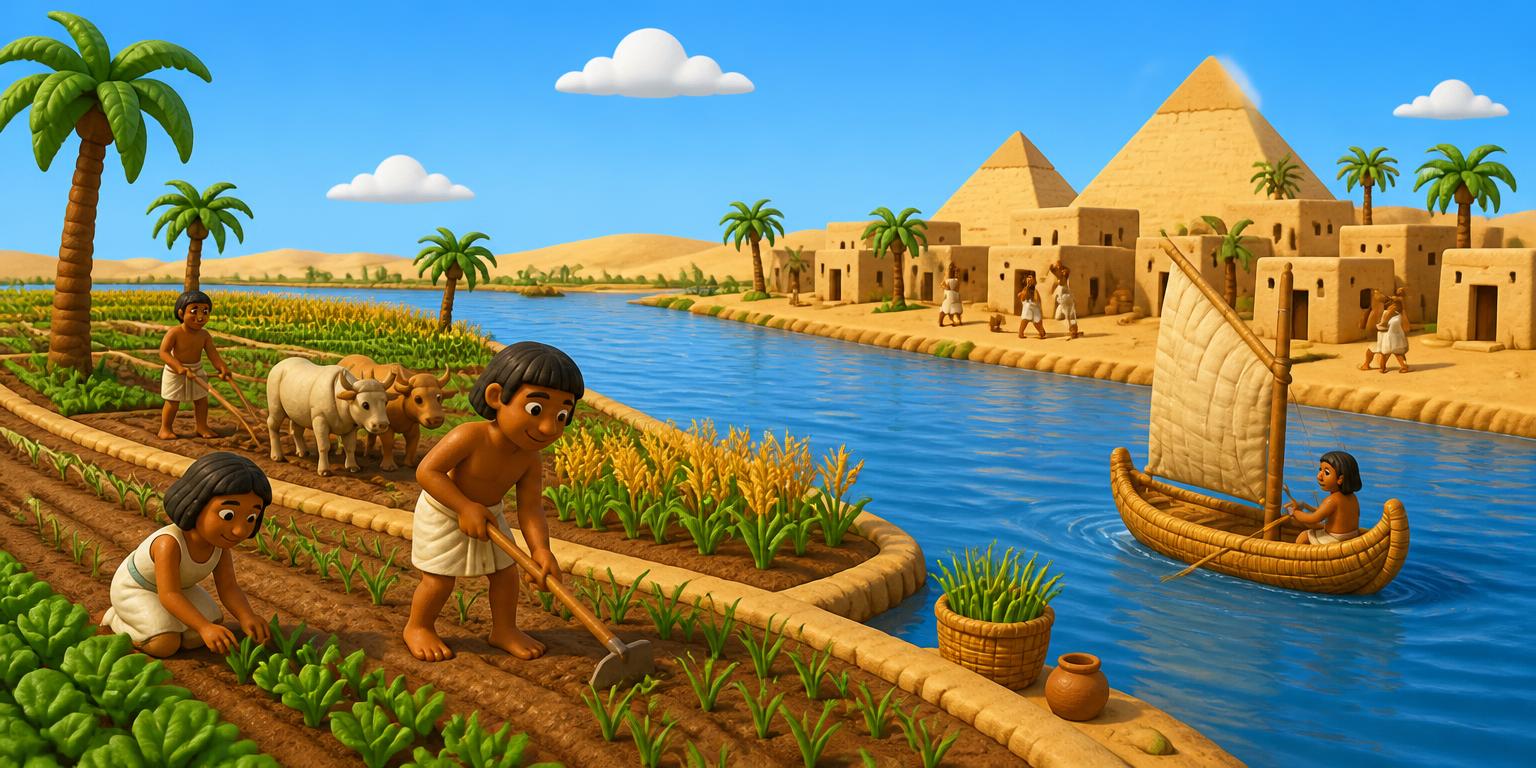
How the Nile Shaped Ancient Egyptian Farming
- 1 The Nile’s annual floods deposited fertile silt, enabling ancient Egyptians to harvest surplus crops and support a growing civilization.
- 2 Farmers used a shaduf, a hand-operated device, to lift river water onto fields during dry periods, boosting productivity.
- 3 Because of Nile flooding, Egyptians developed a three-season calendar tied directly to planting, harvesting, and river ebb cycles.
netboard.me
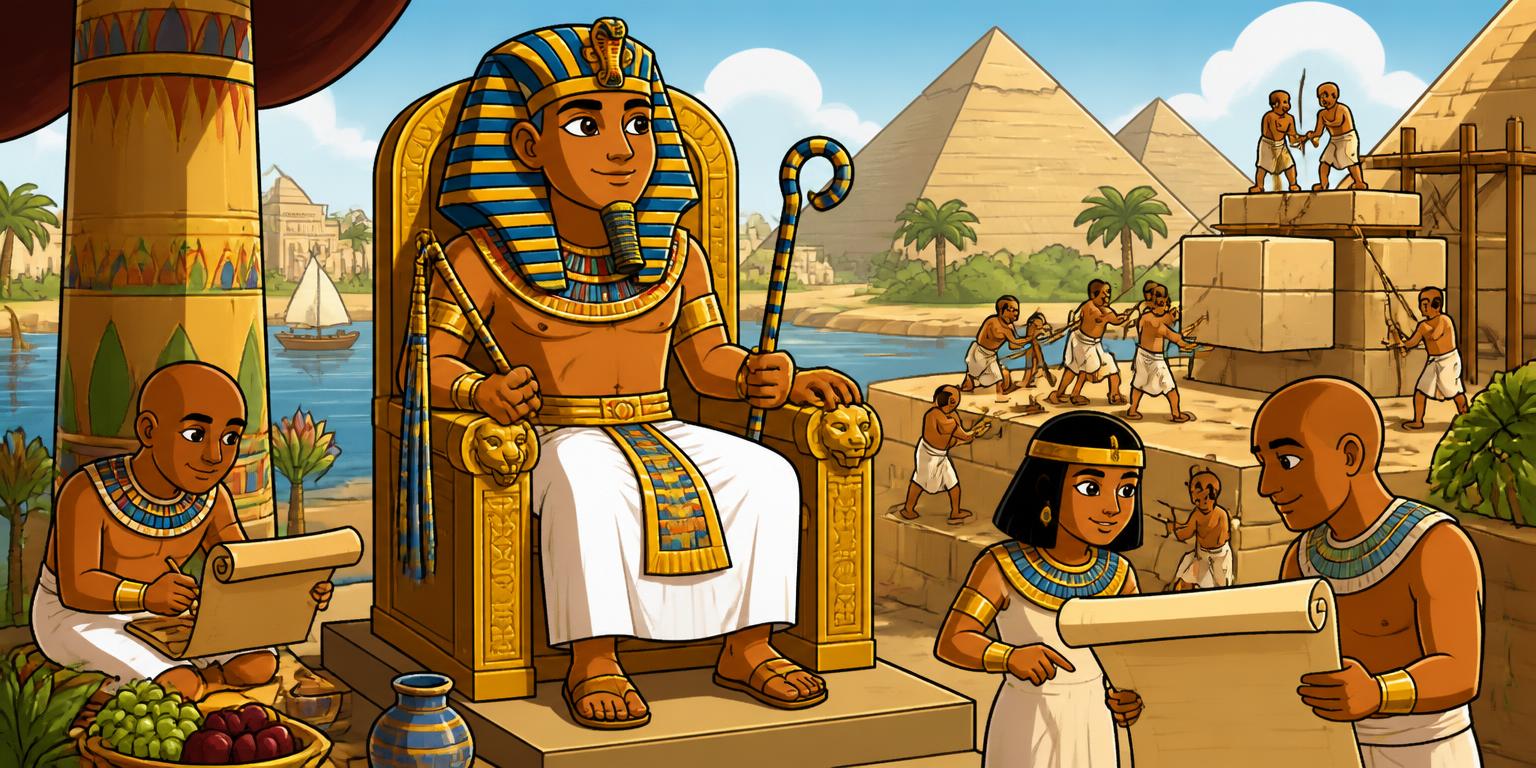
Roles of an Ancient Egyptian Pharaoh
Question
How did a pharaoh's role involve maintaining ethics and order in Ancient Egypt?
Answer
A pharaoh was seen as the moral leader responsible for 'Ma'at,' the concept of truth, balance, and justice that kept society and nature in harmony.
netboard.me
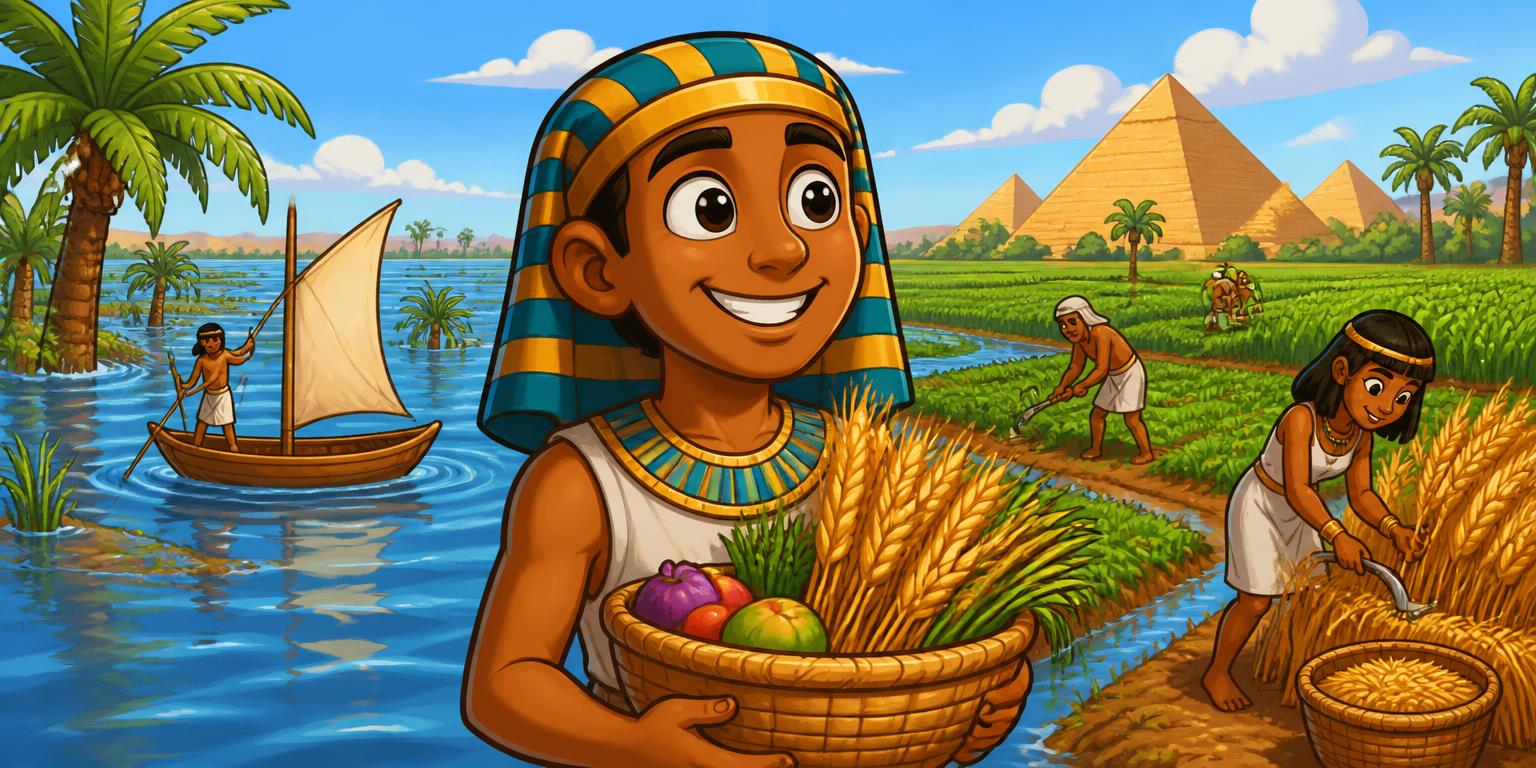
Ancient Egypt: From Flood to Harvest
- 1 Each year, the Nile River floods between June and September, enriching the soil.
- 2 After the floodwaters recede, farmers prepare the land by plowing and planting seeds.
- 3 During the growing season, crops like wheat and barley develop with irrigation support.
- 4 In late spring, the matured crops are harvested to provide food for the year ahead.
netboard.me
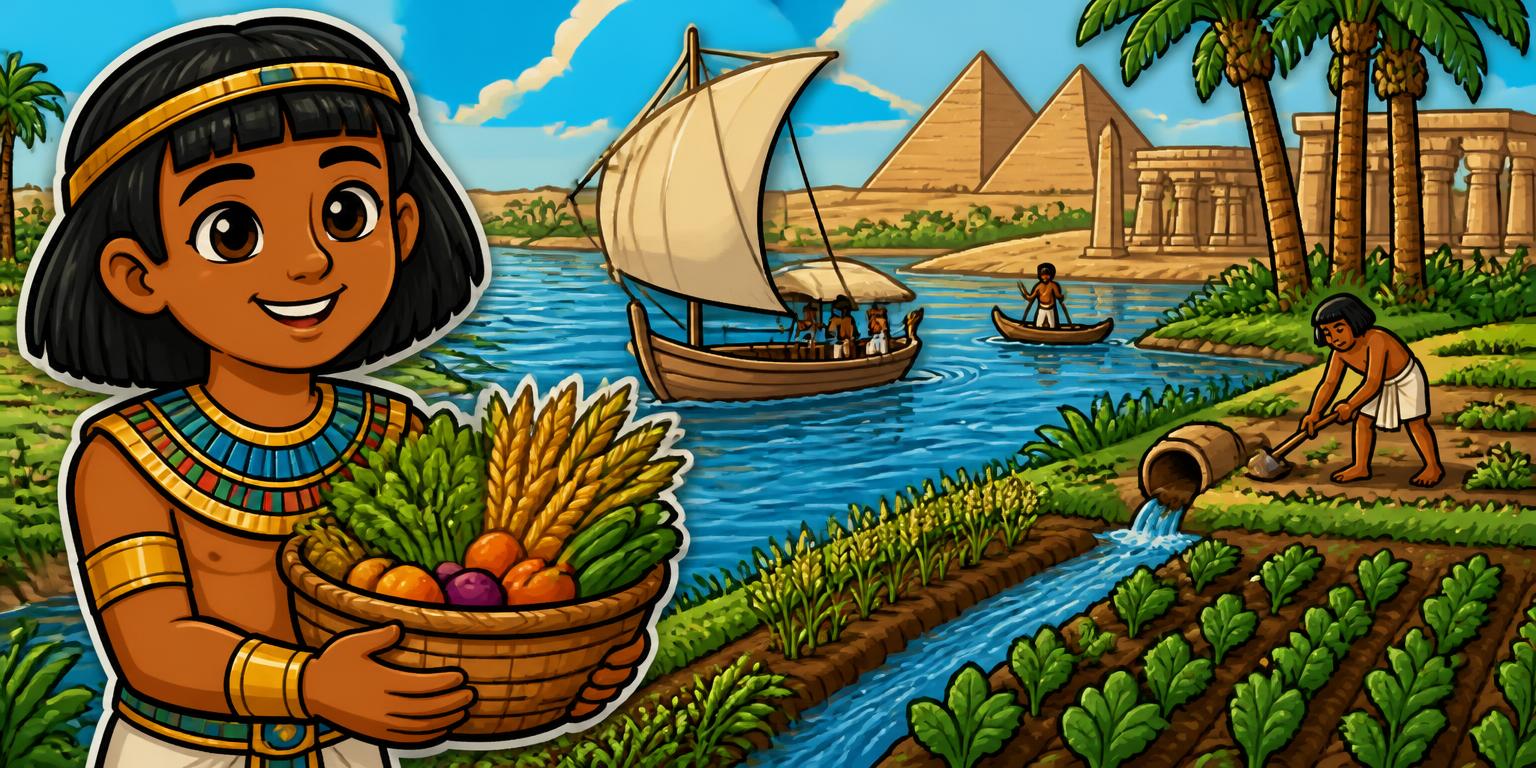
The Nile’s Vital Role in Ancient Egypt
- 1 Ancient Egyptians developed a unique calendar based on the Nile’s flooding cycle, which helped predict the best times to plant crops.
- 2 The fertile soil left by annual Nile floods allowed Egyptians to farm surplus food, supporting urban growth and complex society.
- 3 Along the Nile, villages often had distinct smells from papyrus and river plants drying, marking daily life with natural scents.
netboard.me
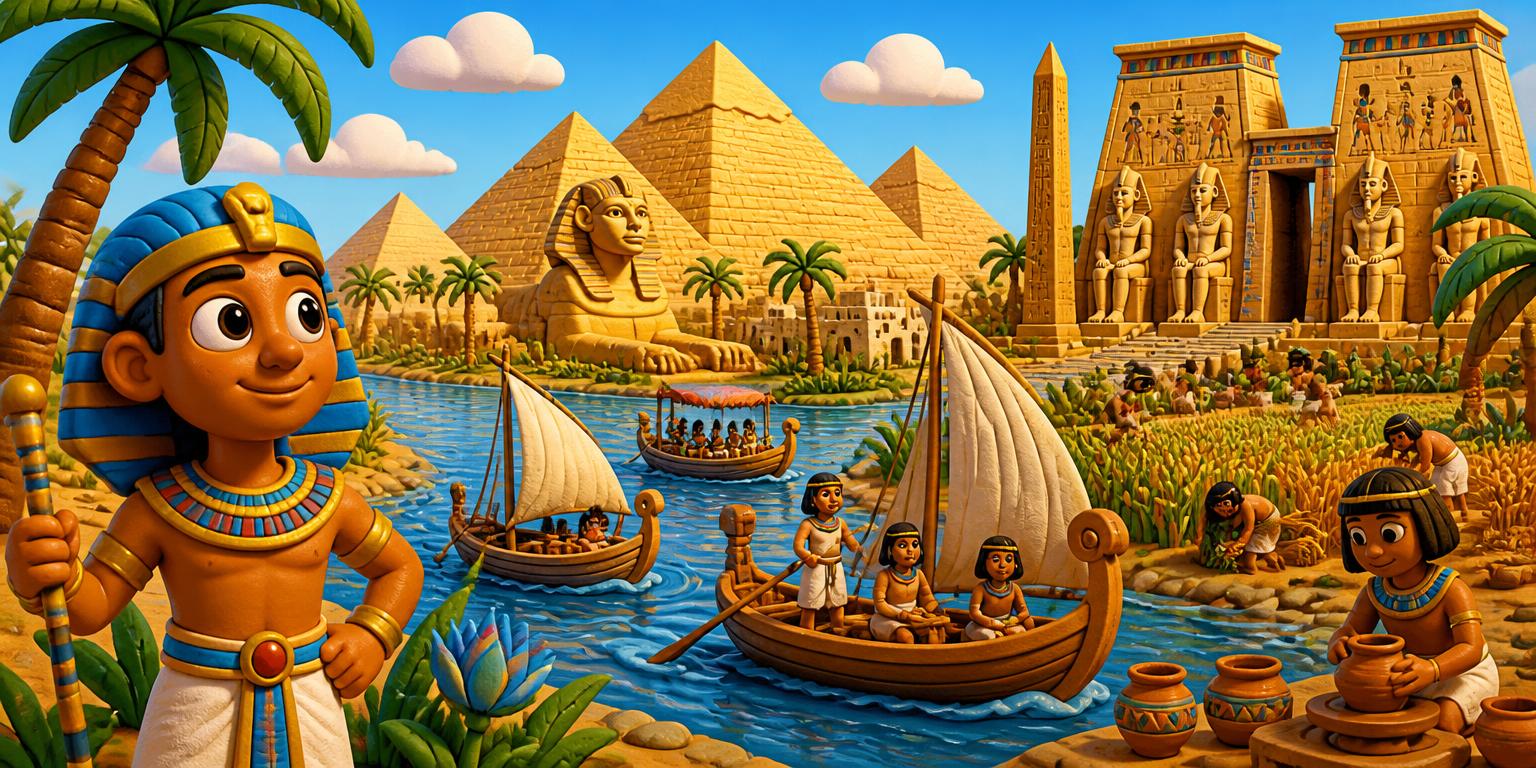
Ancient Egypt: Surprising Highlights
- 1 At its peak, Ancient Egypt's population was roughly 3 to 5 million, showing a sizable, stable society for its era.
- 2 Egyptian statues were often carved from hard stones like granite or basalt, chosen to withstand time and symbolize eternity.
- 3 The symbol of the scarab beetle represented rebirth and renewal, linked to the sun god Khepri who rolled the sun across the sky.
netboard.me